
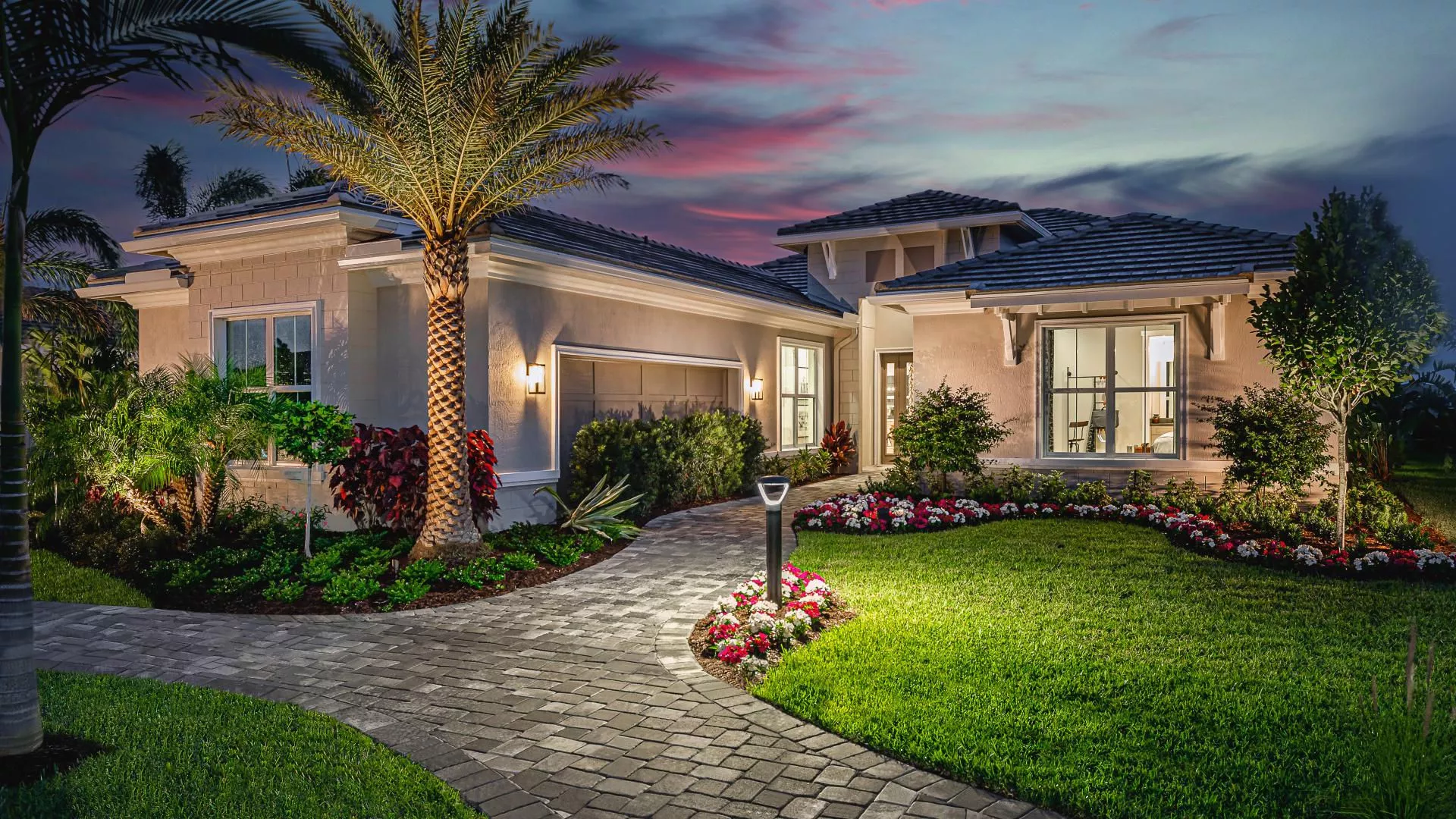
Choosing the right lawn for your Florida home is an important decision. Artificial turf and natural grass each come with unique advantages and drawbacks. Understanding these differences will help you decide what suits your lifestyle, budget, and environment best.
1. Appearance and Feel
Natural grass provides a classic, lush green look that many homeowners love. It offers a soft, cool feel underfoot, especially during hot Florida summers. However, maintaining that vibrant appearance requires consistent watering, mowing, and fertilizing.
Artificial turf, on the other hand, mimics the look of natural grass year-round. Modern turf options are designed to feel soft and natural, though some may feel less cool in extreme heat. Artificial grass maintains its color without watering or mowing.
2. Maintenance and Water Usage
Florida’s climate demands regular care for natural lawns. Natural grass needs frequent watering often daily during dry seasons and regular mowing, fertilizing, and pest control. These tasks require time, effort, and money.
Artificial turf significantly reduces maintenance. It requires no watering, mowing, or fertilizing, saving homeowners time and lowering water bills. This eco-friendly option conserves water a crucial benefit in drought-prone Florida regions.
3. Durability and Longevity
Natural grass is prone to damage from heavy foot traffic, pests, and diseases. Florida’s intense sun and heavy rains can cause brown patches and uneven growth. Over time, natural lawns may need reseeding or patch repairs.
Artificial turf offers long-lasting durability. It withstands heavy use, extreme weather, and pests without fading or thinning. Most high-quality artificial lawns come with warranties lasting 10-15 years, making them a long-term investment.
4. Environmental Impact
While natural grass helps absorb carbon dioxide and provides cooling shade, it also consumes large amounts of water and chemicals like fertilizers and pesticides. These can contribute to runoff pollution affecting local waterways.
Artificial turf eliminates the need for water and chemicals, reducing environmental strain. However, it is made from synthetic materials and may contribute to heat retention, slightly raising surface temperatures compared to natural lawns.
5. Cost Considerations
The initial cost of installing natural grass is usually lower than artificial turf. However, ongoing maintenance costs including water, fertilizer, mowing, and repairs add up over time.
Artificial turf installation requires a higher upfront investment but saves money on maintenance and water bills. Over several years, this cost difference often balances out.
Conclusion: Which Lawn Is Best for Florida Homes?
Both artificial turf and natural grass have strong benefits. If you prioritize a low-maintenance, water-saving lawn that stays green year-round, artificial turf is an excellent choice. For those who enjoy traditional lawn care and natural aesthetics, natural grass remains a popular option.
For Florida homeowners, considering climate, lifestyle, and budget will guide you to the best decision. Artificial turf offers durability and eco-friendliness, while natural grass provides natural beauty and cooling comfort.
If you want expert help choosing or installing the right lawn for your Florida home, professional landscaping services can provide personalized solutions tailored to your needs.
- Serving Palm Beach County And Surrounding Areas
- 5 6 1 . 7 9 5 . 0 0 9 5
- info@sunstateturfandhardscapes.com
- Monday - Friday: 9AM - 5PM