
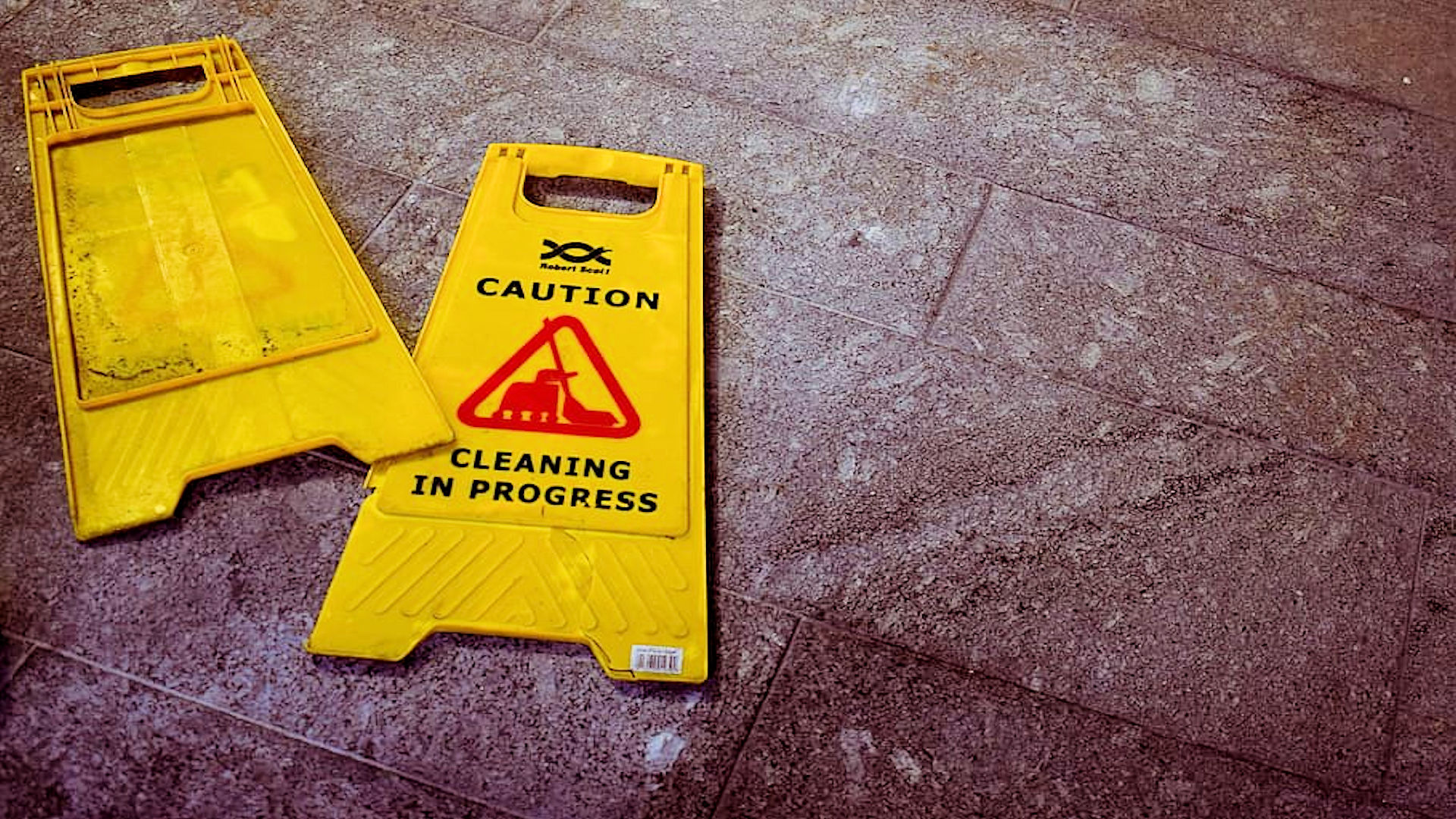
Solutions for Slippery Paver Surfaces: How to Make Your Pavers Safe and Slip-Resistant
Slippery paver surfaces pose a serious risk to safety around your home or business. Whether caused by rain, algae, moss, or worn finishes, slippery pavers can lead to dangerous falls. Fortunately, there are effective solutions to prevent slips and restore traction. This guide will walk you through the best methods to make your paver surfaces safe and slip-resistant.
Why Do Paver Surfaces Become Slippery?
Paver surfaces become slippery mainly due to moisture, algae growth, and wear from weather exposure. When water mixes with smooth pavers or builds up moss, it creates a slick surface. In shaded or damp areas, this problem worsens as sunlight can’t dry the surface quickly. Regular foot traffic and cleaning with harsh chemicals can also strip away the natural texture, increasing slipperiness.
Top Solutions for Slippery Paver Surfaces
1. Clean Your Pavers Regularly
Start with a thorough cleaning. Remove dirt, moss, and algae using a pressure washer or a stiff broom with a mixture of water and mild detergent. Avoid harsh chemicals that can damage the paver’s surface. Clean pavers maintain their natural grip better and reduce slip hazards.
2. Apply Anti-Slip Sealers
Use an anti-slip or slip-resistant sealer designed for pavers. These sealers add a protective coating that improves traction while preserving the paver’s appearance. Sealers are easy to apply and help prevent water absorption, reducing slippery conditions.
3. Use Textured or Slip-Resistant Pavers
When installing new pavers, choose textured or rough-surfaced options. These pavers naturally provide better grip than smooth finishes. Options include tumbled, brushed, or grooved pavers designed specifically to enhance slip resistance.
4. Add Grit or Anti-Slip Additives
For an extra layer of safety, you can mix grit or anti-slip additives into sealers or coatings. These materials add micro-texture to the surface, increasing friction and minimizing slip risks.
5. Install Mats or Anti-Slip Treads
In high-traffic or particularly slippery spots, consider adding anti-slip mats or adhesive treads. These are especially useful around pool areas or entrances where water and moisture accumulate.
6. Maintain Proper Drainage
Water pooling leads to slippery conditions. Ensure your outdoor area has proper drainage by adjusting slopes or installing drainage channels. Quick water runoff keeps paver surfaces dry and safe.
7. Trim Nearby Plants and Trees
Shaded pavers are more prone to algae and moss growth. Keep nearby vegetation trimmed to allow sunlight to reach your pavers. Increased sunlight helps dry the surface and prevent slippery buildup.
Why Professional Help Matters
If slippery pavers persist despite your efforts, consider professional evaluation. Experts can assess the surface condition and recommend specialized treatments like resurfacing, anti-slip coatings, or paver replacement. Professional cleaning and sealing ensure long-lasting safety for your outdoor spaces.
Conclusion
Slippery paver surfaces don’t have to be a hazard. With regular cleaning, proper sealing, and smart product choices, you can enjoy beautiful, safe pavers year-round. Implement these proven solutions to protect your family, guests, and property from slips and falls.
- Serving Palm Beach County And Surrounding Areas
- 5 6 1 . 7 9 5 . 0 0 9 5
- info@sunstateturfandhardscapes.com
- Monday - Friday: 9AM - 5PM