
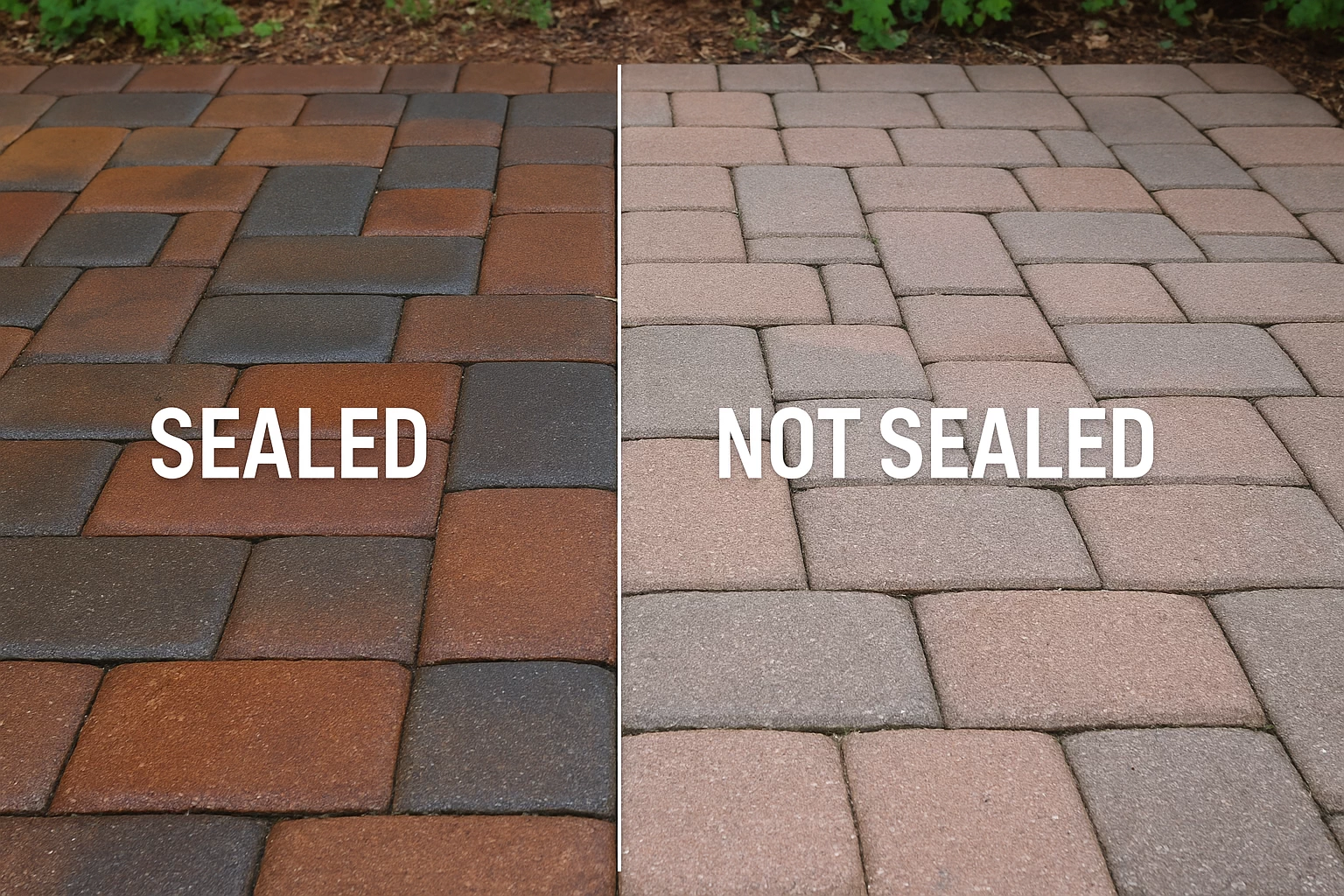
Sealing your pavers is a crucial step in maintaining the beauty, durability, and longevity of your driveway, patio, or walkway. However, timing matters just as much as the sealing itself. Knowing when to seal your pavers can make a big difference in the effectiveness of the sealant and how well your pavers hold up against the elements.
In this article, we’ll explore the best time of year to seal your pavers, why timing is critical, and the risks of waiting too long.
Why Timing Matters When Sealing Pavers
Paver sealing is most effective when applied under the right conditions. Temperature, humidity, and weather patterns all play important roles in how the sealant cures and adheres to the surface.
-
Temperature: Sealants usually require temperatures between 50°F and 90°F to cure properly. Sealing during extreme cold or heat can cause the sealant to dry too quickly or not cure fully.
-
Dry Weather: Pavers must be dry before sealing. Rain or high humidity during or after sealing can trap moisture, leading to peeling or an uneven finish.
-
Seasonal Considerations: Seasonal shifts affect how well sealants bond and last. Sealing at the wrong time could mean the sealant wears out faster or fails to protect your pavers adequately.
The Best Time of Year to Seal Your Pavers
For most climates, the ideal times to seal pavers are:
Spring and Fall
These seasons offer moderate temperatures and generally drier conditions. Sealing in spring protects your pavers after winter damage, while fall sealing prepares them for cold, wet weather.
Late Spring to Early Summer
Sealing after the last frost ensures pavers are dry and temperatures are warm enough for proper curing. Avoid sealing in mid-summer heat peaks, especially in very hot climates, to prevent sealant from drying too fast and cracking.
Avoid Winter and Rainy Seasons
Cold temperatures and rainy weather negatively affect sealant performance and longevity. In snowy regions or places with heavy seasonal rain, wait until the weather stabilizes.
What Happens If You Wait Too Long to Seal Your Pavers?
Delaying paver sealing can lead to a range of problems that affect both the appearance and structure of your outdoor surfaces:
1. Color Fading and UV Damage
Without sealing, pavers are exposed to harsh UV rays that fade their color, leaving your driveway or patio dull and lifeless.
2. Increased Staining and Mold Growth
Unsealed pavers absorb oils, dirt, and organic matter, causing stubborn stains. Moisture retention also encourages mold and mildew growth, making surfaces slippery and unsightly.
3. Weed Growth and Insect Infestation
Sealing locks joint sand in place and creates a barrier against weeds and insects. Without it, weeds can sprout between pavers and ants can disturb the base layer, causing shifting.
4. Erosion and Structural Damage
Water can wash away sand and destabilize the base beneath your pavers. Over time, this leads to uneven surfaces, cracks, and costly repairs.
5. Higher Maintenance Costs
Neglecting sealing increases the need for frequent cleaning, stain removal, and repairs, ultimately costing more time and money.
How Often Should You Seal Your Pavers?
Most experts recommend resealing every 2 to 3 years, depending on your local climate and the level of foot or vehicle traffic. Regular sealing keeps your pavers protected and looking their best.
Final Tips for Successful Paver Sealing
-
Schedule sealing during dry weather with moderate temperatures
-
Clean and dry your pavers thoroughly before sealing
-
Hire a professional for best results and long-lasting protection
-
Follow manufacturer guidelines on sealant curing time and care
Conclusion
Choosing the right time of year to seal your pavers can make a big difference in the durability and appearance of your driveway or patio. Don’t wait too long sealing on time protects your investment, enhances curb appeal, and reduces costly maintenance down the road.
If you’re unsure about when to schedule your paver sealing or need expert service, contact a professional in your area today!
-
Serving South Florida
-
Monday - Friday: 9AM - 5PM