
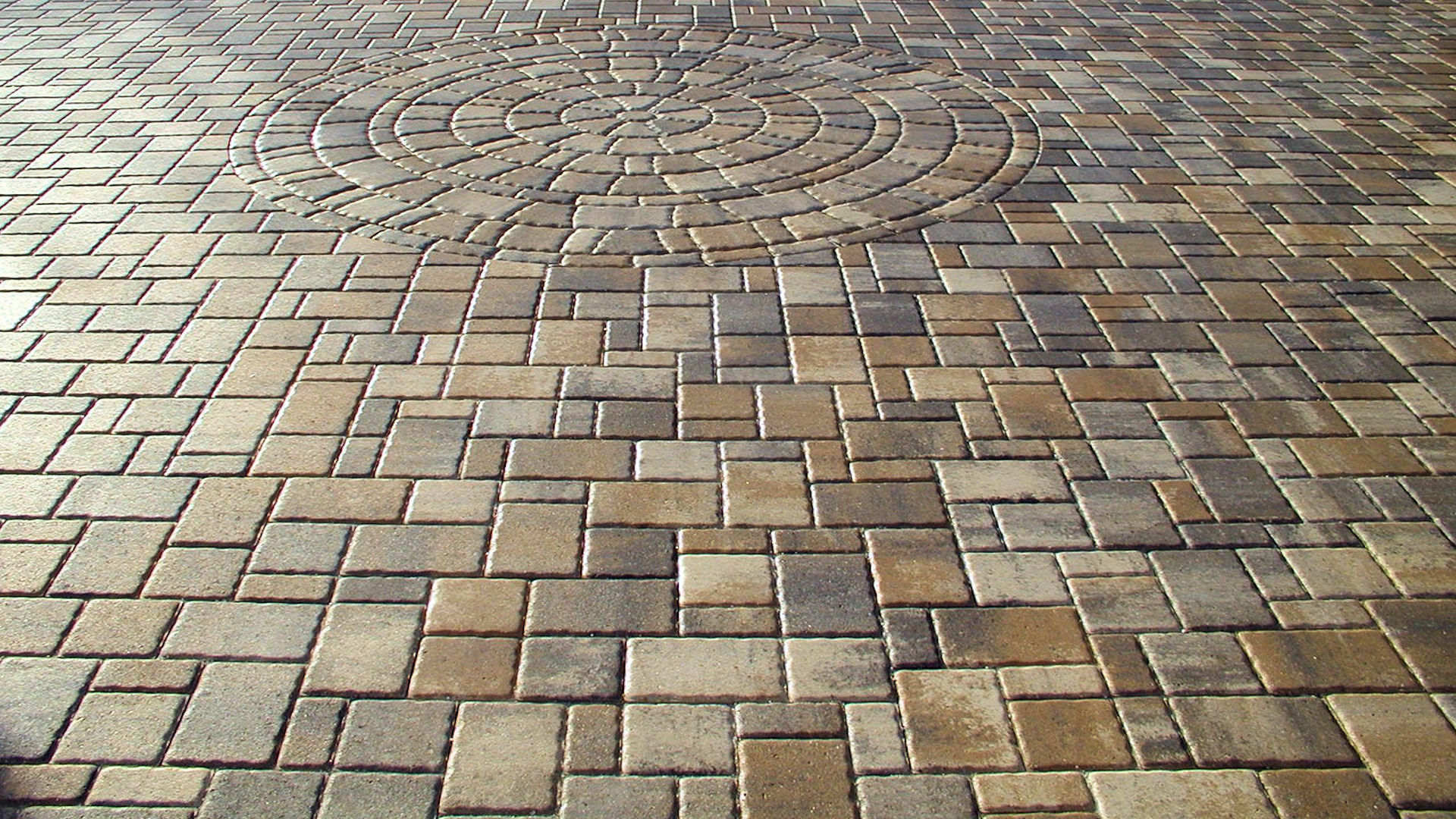
Sealing pavers is essential to protect your outdoor surfaces from damage, stains, and fading. But how often should you seal your pavers to keep them looking fresh and durable? The answer depends on several factors including paver type, climate, and usage. This guide will help you understand the ideal sealing frequency and tips to maintain your pavers properly.
Why Seal Your Pavers?
Sealing pavers forms a protective barrier against water, dirt, oil stains, and UV rays. It enhances the color and texture of the pavers, making them look vibrant and new. Proper sealing also reduces weed growth between pavers and prevents erosion caused by rain and weather changes.
Factors That Affect Sealing Frequency
-
Type of Pavers:
Concrete, brick, and natural stone pavers absorb sealers differently. Concrete pavers generally require more frequent sealing compared to denser natural stones. -
Climate Conditions:
Areas with heavy rainfall, snow, or intense sunlight may wear out sealer faster. In harsher climates, more frequent sealing is necessary. -
Foot and Vehicle Traffic:
Driveways and walkways with heavy foot or car traffic will experience quicker sealer wear. These surfaces need sealing more often. -
Sealer Quality:
High-quality sealers last longer and provide better protection, reducing the frequency of application.
How Often Should You Seal Your Pavers?
On average, sealing pavers every 2 to 3 years is ideal for most homeowners. However, some high-traffic or exposed areas may benefit from annual sealing. Conversely, low-traffic zones in mild climates might only need sealing every 3 to 4 years.
Signs It’s Time to Reseal Your Pavers
-
Water no longer beads on the surface
-
Colors appear faded or dull
-
Increased staining or dirt buildup
-
Weeds growing between paver joints
-
Surface feels rough or chalky
Tips for Proper Paver Sealing
-
Clean pavers thoroughly before sealing to remove dirt, stains, and mildew.
-
Allow pavers to dry completely to ensure sealer adhesion.
-
Choose the right sealer type penetrating sealers for natural stone and film-forming sealers for concrete.
-
Apply sealer evenly using a sprayer or roller in thin coats.
-
Avoid sealing during wet or extreme weather conditions.
Conclusion
Knowing how often to seal your pavers helps maintain their beauty and durability over time. Most homeowners benefit from resealing every 2 to 3 years, but local climate and usage can affect this timeline. Regular inspection and maintenance ensure your pavers stay protected and vibrant for years to come.
If you want to maximize the lifespan of your paved surfaces, schedule paver sealing as a regular part of your outdoor maintenance routine. This simple step keeps your pavers looking stunning and strong season after season.
- Serving Palm Beach County And Surrounding Areas
- 5 6 1 . 7 9 5 . 0 0 9 5
- info@sunstateturfandhardscapes.com
- Monday - Friday: 9AM - 5PM